

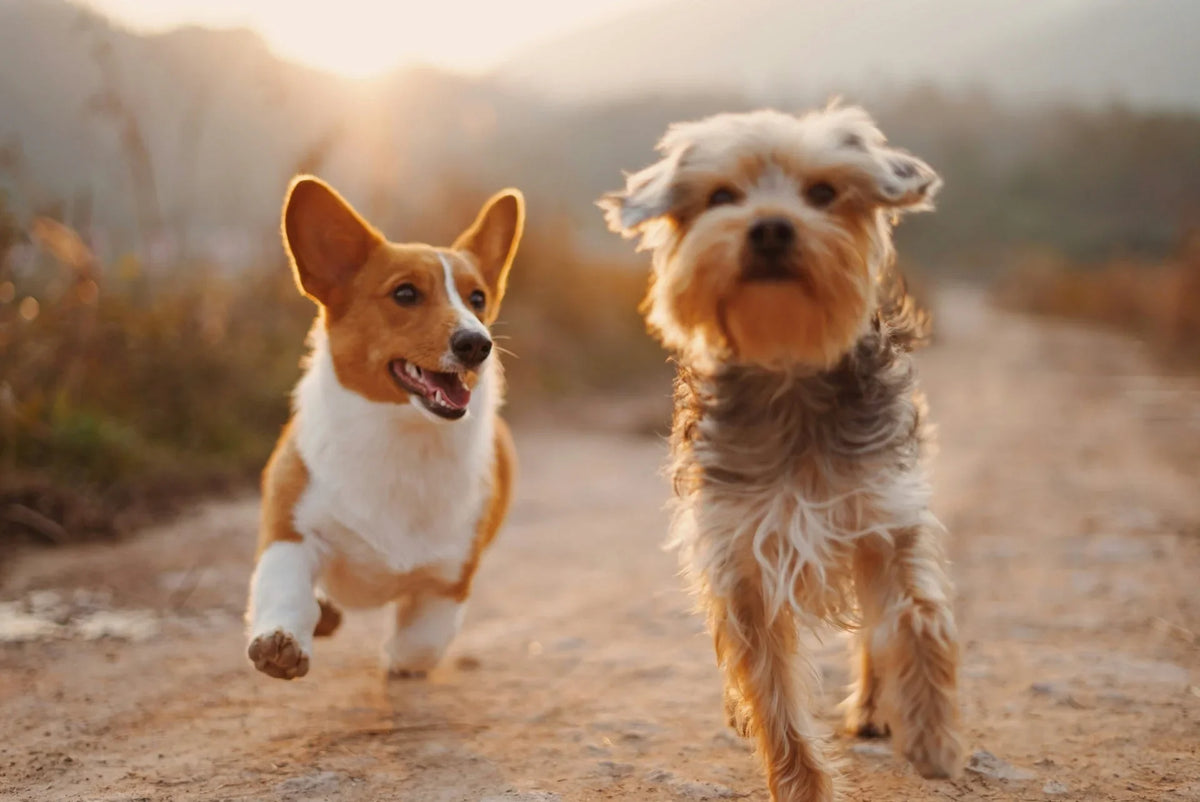
A good walk can do a lot for your dog: it burns energy, gives their nose plenty to explore, and is time you get to spend together. But how much exercise does a dog actually need, and how do you keep walks comfortable when the California sun is out? Here’s our practical guide, with everyday routines and ideas to keep your dog happily active.
Why exercise matters for dogs
Regular activity is one of the simplest ways to support your dog’s everyday wellbeing.
- A healthy weight. Exercise, along with the right diet, helps your dog stay at a healthy weight. Your vet can tell you what’s right for your dog.
- Strong muscles and easy movement. Regular, moderate activity helps keep muscles strong and joints moving, especially as dogs get older.
- A busy mind. New smells, sights and games keep your dog mentally engaged.
- Calmer days at home. Dogs who get enough activity are often more relaxed, and exercise can help reduce boredom-related habits like chewing.
- Time together. Walks and play are some of the best bonding time you’ll get.
How much exercise does your dog need?
There’s no single number that fits every dog. The right amount depends on your dog’s breed and energy level, age and health. Your vet is the best person to help you set a starting point.
High-energy dogs
Working and sporting breeds, and many mixes, usually need more than a quick stroll. Think longer walks, active play and brain games every day.
Lower-energy and flat-faced breeds
Some dogs are happy with shorter, gentler outings. Flat-faced breeds such as Pugs and Bulldogs can find hard exercise difficult, especially in warm weather, so keep their activity moderate and their breaks frequent.
Puppies
Puppies have energy in short bursts. Several short play sessions and sniffy walks a day suit them better than one long outing. Hold off on long runs until your vet says your dog’s growth is complete.
Senior dogs
Older dogs still benefit from moving every day, often with shorter, slower walks. Watch how they feel afterwards, and ask your vet if anything seems uncomfortable.
Signs your dog needs more, or less, activity
- May need more: restlessness, chewing, or bursts of “zoomies” late in the day.
- May need less, or a vet check: lagging behind, limping, heavy panting, or stiffness the next day.
Everyday exercise routines that work
Consistency matters more than intensity. A routine your dog can count on is easier for both of you to keep.
A simple daily routine
Here’s one example to adapt to your dog and your schedule:
- Morning: a walk before it gets warm, with time to sniff.
- Midday: a short play session or a training game at home.
- Evening: a second walk once the pavement has cooled.
Make walks more interesting
Switch up your route, visit a new park, or let your dog lead a slow “sniff walk” now and then. Exploring with their nose is great mental exercise.
Rest days and brain games
On busy or very hot days, swap the long walk for puzzle toys, hide-and-seek, or a few minutes of training. Mental work can tire a dog out too.
Fun ways to keep your dog active
- Walks and hikes: new trails mean new scents. Start with shorter routes and bring water.
- Fetch: a classic way to burn energy in the yard or a dog-friendly park.
- Backyard agility: low jumps, cones to weave through, or a tunnel. Keep jumps low for puppies and seniors.
- Swimming: low-impact fun for dogs who enjoy water. Always supervise, and consider a dog life jacket for new swimmers.
- Hide-and-seek and treat games: hide a toy or treats and let your dog sniff them out.
- Dog sports: activities like agility, flyball or dock diving combine exercise with training.
- Playdates: a friendly dog buddy can be great exercise. Choose a well-matched playmate and supervise.
- Tug: fun and tiring when played with simple rules, like “drop it” on cue.
- Jogging together (adult dogs): check with your vet first, build up gradually, and skip runs in the heat.
Walking your dog in California heat
Sunny days are part of California life, but heat and hot pavement need a plan.
Walk during the cooler hours
Go early in the morning or later in the evening, and avoid the hottest part of the day.
Do the 7-second pavement test
Place your palm flat on the pavement. If you can’t comfortably hold it there for seven seconds, it’s likely too hot for your dog’s paws, so stick to grass or shade, or wait until later.
This quick check is a general precaution, not a guarantee. Even when the pavement feels fine, keep warm-weather walks shorter, choose grass or shade where you can, and watch your dog for signs of discomfort.
Bring water and take breaks
Carry enough water for you and your dog, and stop for shade breaks often.
Know the signs of heat stress, and what to do
Watch for excessive panting, heavy drooling, restlessness or anxiousness, unsteadiness, unusual gum or tongue color, or collapse. Overweight dogs and flat-faced breeds are at higher risk.
If you see any of these signs, treat it as an emergency:
- Move your dog to a cooler spot, out of the sun and into shade or a cool indoor space.
- Start cooling right away. Place towels wetted with room-temperature water around the neck, in the armpits and in the groin area, and rewet them every few minutes. Don’t put your dog in a tub of cold or ice water.
- Get veterinary help immediately. Head to the nearest veterinary hospital, keep cooling on the way, and call ahead so they’re ready for you.
Smoky days
During wildfire season, check the air quality before heading out (the AirNow Fire and Smoke Map is a good resource). On smoky days, keep potty breaks short, skip runs and long walks, and play indoors instead.
Making daily walks easier
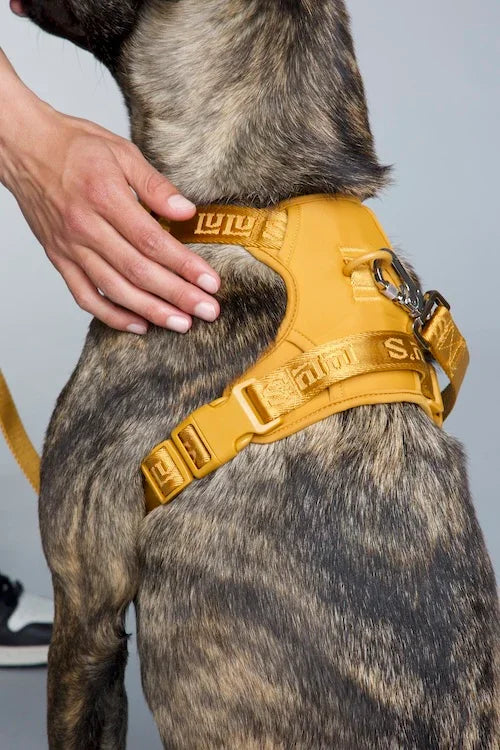
The right setup can make everyday walks feel more relaxed. A well-fitted harness is a good start; our guide on how to choose the right dog harness walks you through sizing and fit.
Once your dog walks calmly on a loose leash, a hands-free setup like our hands-free leash & belt set leaves your hands free for water and treats. Keep a hand on the leash near traffic, at crossings and around other dogs.
Dog exercise FAQ
Is a daily walk enough exercise for my dog?
For some dogs, yes. Many benefit from walks plus play and brain games. If your dog still seems restless, try adding a short play session or a training game.
Can I run with my puppy?
It’s best to wait. Puppies do better with short, gentle play, and your vet can tell you when your dog is ready for running. For more on the first weeks, read our tips for new puppy owners.
What’s the best time to walk my dog in summer?
Early morning and evening, when it’s cooler. Do the 7-second pavement test as a quick precaution before you go.
Every dog is different, so start where your dog is, keep it fun, and enjoy the time together outside.

Leave a Comment
All comments are moderated before being published.
This site is protected by hCaptcha and the hCaptcha Privacy Policy and Terms of Service apply.